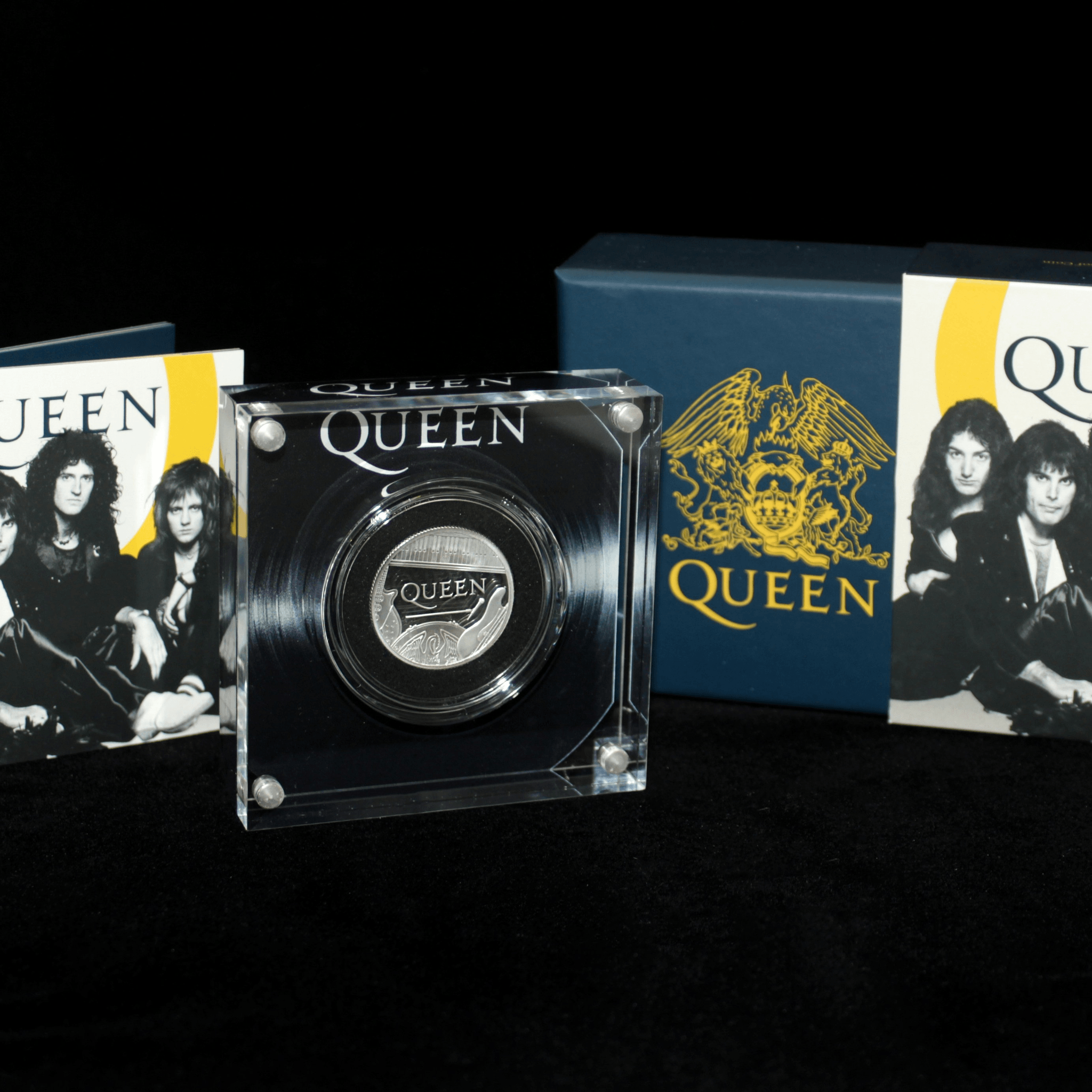
Custom coins with a logo need a documented approval path before they need a finished layout. A logo on a coin, round, bar, or medallion is a controlled project asset: someone owns or controls it, its proposed use needs definition, and the right people must be able to approve it. Put those facts in order early, and the design review has a reliable brief behind it.
For a public-facing brand, the goal is one release record that lets the brand and collector-project teams see the same object: approved mark, exact wording, artwork version, scope, and final proof. Start with the custom projects resource hub for wider planning context. This is a practical workflow guide, not legal advice; it does not determine ownership, permission, license terms, or legal outcomes.
Treat the logo as a controlled project asset
List every controlled element proposed for the piece: the primary mark, wordmark, required phrase, symbol, and any partner identifier. Give each one a role and placement instead of relying on a folder name or thumbnail.
The U.S. Patent and Trademark Office notes that a name or logo used to advertise a business may be a trademark. Public visibility is not project approval. Record what was supplied, who supplied it, and who can confirm the intended use (USPTO trademark basics).
- Current mark or wordmark version
- Required wording and elements that cannot change
- Proposed placement and any co-branding requirement
Identify the owner, scope, and approval authority
Create a short rights-and-roles sheet. For each organization-owned element, identify the asset owner or rights contact, project sponsor, visual approver, and person authorized to send the final release response. Those roles may be different people.
Define scope in plain language: the asset, object, placement, associated wording, and whether the piece belongs to a single release or series. Do not reduce scope to “use the logo.” A precise description gives the approver a concrete object to review.
- Owner or authorized rights contact
- Project lead who consolidates feedback
- Brand and final-release approvers
Define the proposed use before requesting a yes
A permission request should identify the exact material and intended use. The U.S. Copyright Office explains that copyright owners have exclusive rights to reproduce and adapt a work, and its general permission guidance recommends stating the material, use, audience, and whether it will be sold (Circular 16A).
Use that specificity as an intake standard, not as a substitute for legal review. If ownership, scope, or approval authority is unclear, hold the logo out of the approved package and seek appropriate advice.
- Exact asset and file version
- Proposed object, placement, and wording
- Written response, conditions, and contact
Build a usable logo-and-artwork handoff
Separate approved source material from design direction. The handoff should point to one current logo file, copy-ready wording, placement note, and permissions record. References may explain a mood or composition, but should not quietly become approved artwork.
This article owns the approval chain, not basic file preparation. For file formats, source art, and reference labeling, use Custom Coin Artwork Requirements: Files, References, and Permission. Keep the approved package compact enough for a reviewer to identify the controlling version at once.
- Current artwork folder with version date
- Asset index with status, owner, and placement
- Separate reference folder, marked as not approved for direct use
Create an approval path before the proof stage
Agree on the review sequence while the design is flexible: asset-and-scope check, brand layout review, then final proof review. State what each stage decides. An early review can confirm the correct mark and wording; it should not leave ownership or scope to an untracked later conversation.
Name one person to collect comments and send the consolidated response. Ask reviewers to distinguish required corrections from preferences. If a rights question remains open, use the project FAQ to surface it before the artwork is treated as cleared.
- Stage purpose, reviewers, and checkpoint
- One feedback owner and response channel
- Version label and dated decision log
Use change control to protect the approved mark
No visible edit is approved merely because it appears in a new image. Log any change to the logo, wordmark, language, placement, pairing, or layout that affects brand presentation, then return it to the designated approver.
Use a response such as “approved in version 03” or “revise the marked item and return a new proof.” Do not rely on an unnamed attachment, chat reaction, or scattered email thread.
- New version identifier for every material edit
- Required changes separated from optional ideas
- Saved response accepting or rejecting the change
Review the final proof as a brand and collector object
At final proof, compare the design with the approved asset, exact wording, asset index, and change log. Confirm the mark version, orientation, supporting text, and any required attribution or co-branding. Read every character. Collector pieces invite close inspection, and small copy errors can change the whole presentation.
Then assess the object as a collector will encounter it: does the focal mark read at a coin-like scale, does the framing support it, and do both sides feel like one release? For the wider visual pass, use Custom Coin Proof Approval Checklist; this workflow confirms the proof still matches the approved brand decision.
- Approved mark, orientation, and placement
- Exact wording, punctuation, dates, and attribution
- Proof version, approver, and written decision
Preserve a release record after approval
Save one release record rather than leaving the evidence across inboxes and folders. Include the final proof, artwork version, asset index, permission or approval correspondence, change log, and dated approval response.
Add a summary of the approved object and any limitations outside visual approval. The record answers a useful future question: what exactly was reviewed and approved for this project? For a focused conversation once the record is organized, contact us.
- Final proof and identified artwork
- Asset-and-scope sheet and permissions record
- Feedback log and final written approval
Frequently asked questions
Can we use a logo because it appears publicly on a website or prior merchandise?
Do not treat public display as project permission. Identify the owner or authorized contact, define the use, and retain the response before the logo is treated as approved. If ownership or scope is unclear, seek appropriate advice; this guide is not legal advice.
Who should approve a logo-bearing custom coin?
Name the person or defined group authorized to approve artwork and required wording, then identify who can send the final written response. A project lead may consolidate feedback without holding approval authority.
What should a logo permissions record include?
Keep the asset and version, owner or rights contact, proposed object and placement, associated wording, request and response dates, conditions, and authorized approver. Flag unresolved items rather than blending them into the approved package.
What if the logo changes after proof review?
Assign a new version, log the visible change, and return it to the designated approver when it affects the mark, wording, placement, or presentation. Preserve the revised proof and written response with the release record.
A project conversation
Have the approval path and asset record in hand?
When you can identify the controlling artwork, the right approvers, and the open decisions, contact Hart Strike Mint to start a project review. Share the concise approval brief, current files, and questions that still need alignment.
Start a project reviewClosing perspective
A logo-bearing collector release is easier to review when its brand decision is visible from the beginning. Identify the owner and scope, gather usable art and the written record, appoint approvers, control changes, and compare the final proof with the same source of truth.
That sequence does not replace legal or contractual review. It preserves what was supplied, what was decided, and which specific collector object received approval.