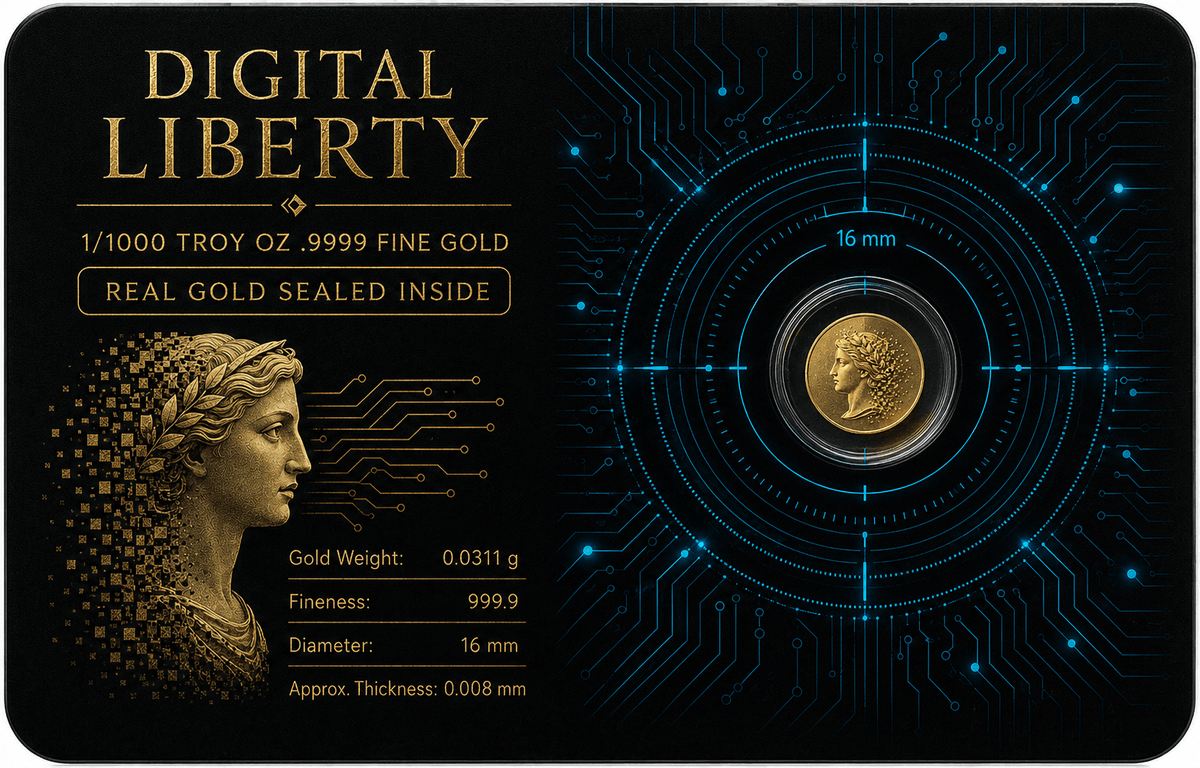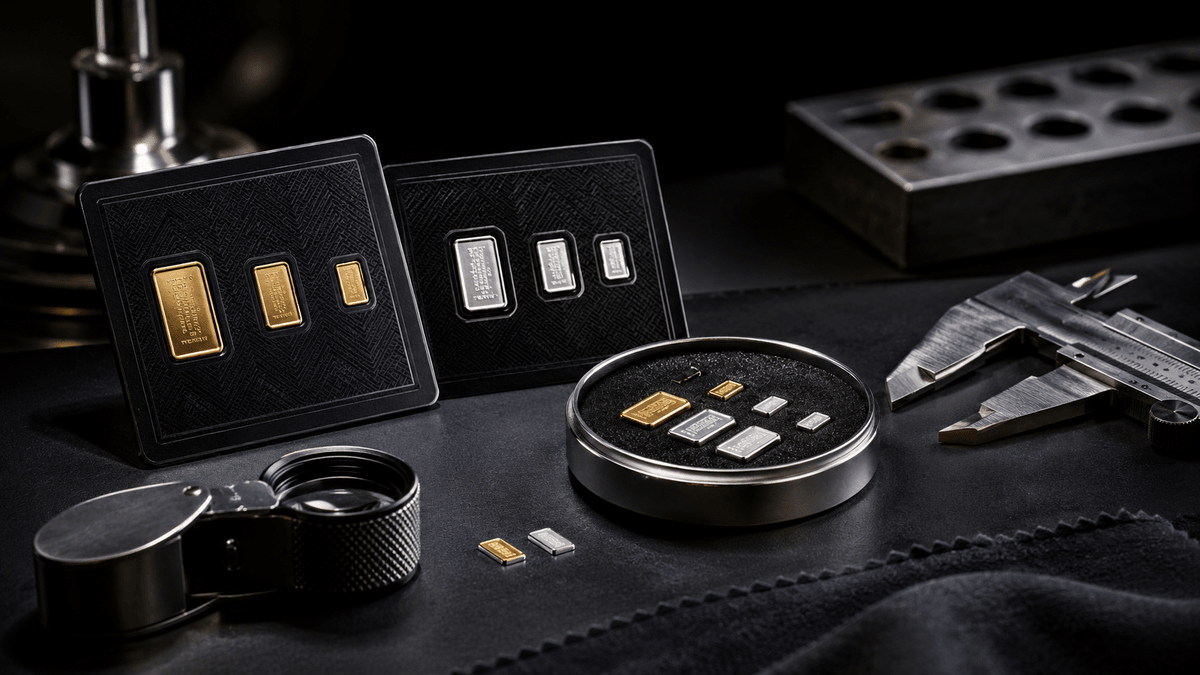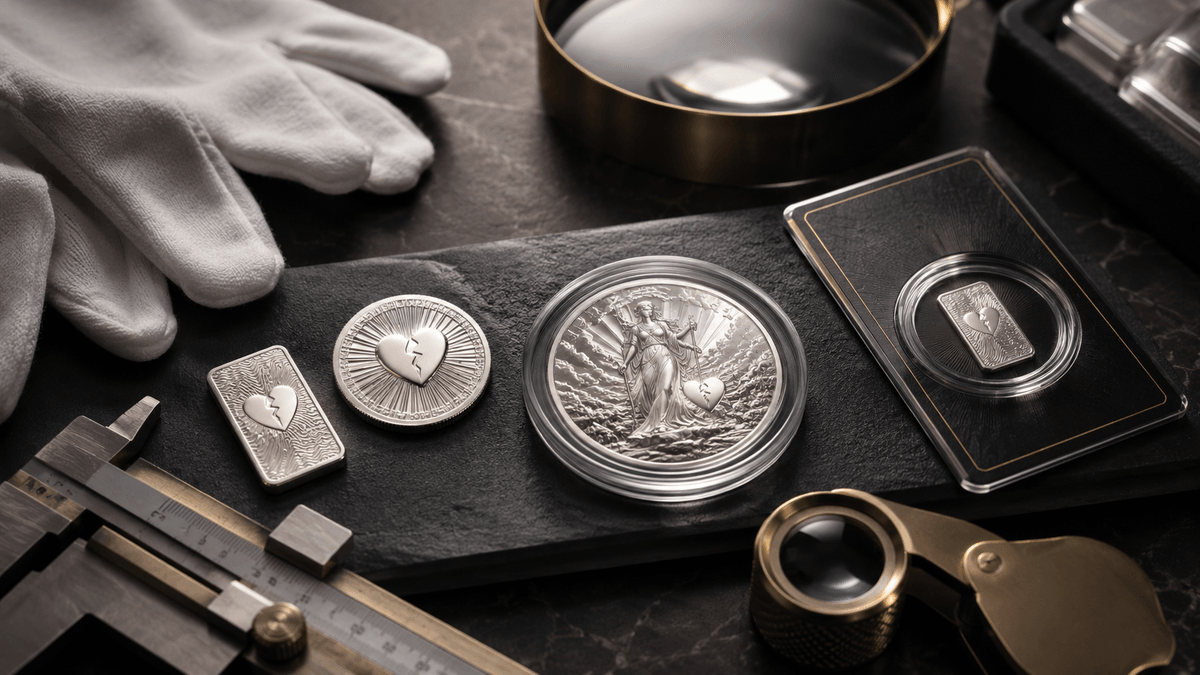
A custom minted project starts long before metal is struck. Whether the finished piece becomes a silver round, gold collectible, copper coin, custom bar, medallion, military token, challenge coin, or personalized metal award, the strongest projects begin with a clear plan.
Many buyers start by searching for custom coin manufacturers in the United States, handcrafted silver and gold coins online, custom silver bars with unique designs, limited-edition silver coins, or services for private minting of precious metals. Those searches are useful, but the better question is: what exactly are you trying to create?
Hart Strike Mint helps brands, dealers, collectors, military groups, event organizers, nonprofits, and businesses turn ideas into custom physical collectibles with clear artwork direction, metal specifications, finishes, packaging, and quote details.
Key Takeaways
- A custom minted project should begin with purpose, audience, and format before artwork is finalized.
- Silver rounds, gold pieces, copper coins, bars, medallions, challenge coins, and military tokens each serve a different role.
- Custom coin artwork submission should include logos, sketches, text, dates, design notes, and examples when available.
- Pricing for custom challenge coins and bulk orders depends on metal, size, finish, complexity, packaging, and quantity.
- A strong quote request gives the mint enough information to understand the project before production begins.
Step One: Decide What the Piece Needs to Do
Before choosing a metal, size, shape, or finish, define the job of the piece. A collector release has a different purpose than a corporate award. A military token has a different emotional weight than a promotional giveaway. A custom silver bar with unique artwork has a different design structure than a round medallion.
A clear purpose helps answer every other question. Is the project meant to honor service? Launch a collector series? Promote a brand? Thank a donor? Recognize employees? Create a limited-edition silver round? Offer a giftable gold or silver collectible? Build a private-label product for a dealer?
Hart Strike Mint Planning Rule: Do not start with “we need a coin.” Start with “we need a physical piece that does this for this audience.”
Step Two: Choose the Right Format
Custom minting offers more than one format. The best choice depends on the message, artwork, budget, and presentation style.
Step Three: Pick the Metal for the Audience and Budget
One of the most common questions is: what metals are used for custom coins? The answer depends on the project. Silver, gold, copper, brass, base metals, and plated finishes can all be used in custom coin, bar, round, medallion, or recognition projects.
Precious metals like silver and gold are often used for premium collector projects, limited-edition releases, private-label bullion, and higher-end gifts. Copper is often used when the project needs a larger format, rich color, and a lower price point. Brass, nickel, zinc alloy, and plated metals are often used for challenge coins, pins, and bulk recognition items.
Step Four: Build the Artwork Direction
Best practices for custom coin artwork submission start with clarity. A custom mint cannot turn a vague idea into a premium piece without understanding the visual direction, the message, and the required details.
Useful artwork materials include logos, sketches, reference images, brand colors, fonts, sample coin designs, packaging inspiration, slogans, dates, names, unit marks, series titles, and notes about the desired feel of the project.
For a two-sided piece, plan both sides early. The front may carry the main artwork, portrait, logo, or emblem. The reverse may include a motto, date, serial number, edition detail, brand mark, purity statement, or supporting design.
Important: Artwork that looks good on a screen may not work at coin size. Thin text, crowded borders, tiny details, and low-resolution images can weaken the final piece if they are not corrected before production.
Step Five: Decide Whether the Project Is Collectible, Promotional, or Ceremonial
Limited-edition silver coins for collectors are not planned the same way as personalized metal awards. A bespoke commemorative medal is not planned the same way as a custom engraved military token. The category matters because it changes the design language, packaging, documentation, and buyer expectations.
Collector Projects
Collector projects should focus on story, artwork, metal content, edition structure, numbering, packaging, and consistency across releases. Limited mint-run silver coins, rare silver rounds, historical-themed collectibles, and private-label rounds all need clear product records.
Recognition Projects
Recognition projects should focus on the recipient. Personalized metal awards, employee coins, donor medallions, military tokens, and challenge coins need to feel intentional. The piece should clearly show why it was made and why it matters.
Promotional Projects
Promotional projects should balance cost, reach, and memorability. Copper rounds, plated challenge coins, metal pins, event tokens, and branded medallions can help a company or organization create something more lasting than paper or plastic giveaways.
Step Six: Plan the Finish and Presentation
The finish changes the character of the piece. Antique finishes can make a design feel historic, rugged, or old-world. Polished finishes can feel modern and clean. Matte backgrounds can make raised details stand out. Color accents can highlight a crest, flag, logo, flame, shield, or central design element.
Packaging also matters. Capsules, cards, boxes, certificates, pouches, display cases, and numbered packaging can all change how the item feels when it is received. A premium silver round, gold piece, or custom medallion should not feel unfinished because the packaging was treated as an afterthought.
Step Seven: Understand Pricing Before Requesting a Quote
Pricing for custom challenge coins, custom metal medallions, silver rounds, gold pieces, copper coins, and custom bars depends on several moving parts. The biggest cost drivers are usually metal choice, size, thickness, artwork complexity, die or mold setup, finish, color, packaging, quantity, and timeline.
Bulk orders usually reduce the per-piece price because setup costs are spread across more units. Smaller runs may be possible, but they can carry a higher unit cost. Precious metals like silver and gold also move with market conditions, so quotes may depend on when metal is locked for production.
Step Eight: Know How to Buy Precious Metal Rounds From a Reliable US Mint
When buying precious metal rounds from a reliable US mint, look for clear product descriptions, visible images, stated metal content, purity, weight, packaging, shipping terms, and contact information. A silver round should be clearly identified as a private round unless it is actually a legal-tender coin.
The same applies when searching for handcrafted silver and gold coins online, rare silver rounds, limited mint-run silver coins, or exclusive collectible coins with historical themes. A good seller or mint should make it easy to understand what the item is, what metal it contains, what packaging is included, and whether it is available now.
Step Nine: Verify Authenticity and Product Details
Collectors often ask how to verify the authenticity of silver rounds purchased online. The first step is consistency. The product page, photos, packaging, certificate, order record, and seller communication should all describe the same piece.
Check the stated weight, stated purity, format, edition information, packaging, and seller details. If a listing relies only on a render, hides the actual metal content, uses unclear language, or does not identify availability, ask questions before purchasing.
Step Ten: Request a Quote the Right Way
A strong quote request gives the mint enough information to understand the project. You do not need to have every detail finalized, but you should provide the best available direction.
When requesting a quote for custom minted coins, include the project purpose, audience, preferred format, metal, approximate size, quantity range, artwork direction, finish ideas, packaging needs, target timeline, and whether the piece is meant for retail sale, recognition, gifting, or a private event.
Quote Tip: “We need a 1,000-piece copper round series with antique finish, front-and-back artwork, capsules, and five planned designs” is much easier to quote than “we need coins.”
Shipping Options for Precious Metal Rounds and Custom Projects
Shipping should be considered early, especially when the project includes precious metals, capsules, cards, boxes, certificates, or bulk distribution. A single collector order ships differently than a 500-piece recognition program or a dealer release with individual packaging.
Before launch, confirm shipping costs, packing method, tracking, insurance options, signature requirements when applicable, and whether pieces will ship bulk-packed or individually packaged.
Where Reviews Fit Into the Buying Process
Reviews for premium silver and gold coin sellers can help buyers understand product quality, shipping reliability, communication, and customer service. For custom minting, reviews are helpful, but they should not replace a clear conversation about specifications.
Look for a mint that can explain the process, ask smart questions, review artwork, discuss production options, and help create a product record that makes sense to buyers or recipients.
Start Planning Your Custom Minted Project
Hart Strike Mint helps create custom silver rounds, gold pieces, copper coins, custom silver bars, medallions, military tokens, challenge coins, recognition pieces, and limited-edition collector projects. Bring the idea, artwork direction, quantity range, and project goals — and Hart Strike Mint can help shape the next step.
Custom Minted Project Questions
What services are available for private minting of precious metals?
Private minting services can include custom silver rounds, gold pieces, custom bars, copper coins, medallions, challenge coins, military tokens, commemoratives, and recognition pieces.
Where can I order custom silver bars with unique designs?
Custom silver bars can be ordered through private mints and custom minting companies that support artwork development, metal specifications, finishes, packaging, and quantity planning.
How do I design custom metal medallions?
Start with the purpose of the medallion, then define the audience, central artwork, text, date, finish, packaging, and quantity. The design should match the event, award, organization, or commemorative story.
Where can I get custom engraved military tokens?
Custom engraved military tokens can be created through custom coin and medallion makers. Before production, confirm spelling, dates, unit details, insignia permissions, artwork, and presentation needs.
What metals are used for custom coins?
Custom coins may use silver, gold, copper, brass, base metals, plated metals, or other materials depending on the project goal, budget, and desired presentation.
How do I request a quote for custom minted coins?
Send the project purpose, format, metal, size, quantity, artwork direction, finish, packaging needs, and target timeline. The more complete the request, the easier it is to shape the quote.
Continue exploring
More in Custom Gold Bars & Fractional Projects.
Browse the custom gold bars & fractional projects topic hub for related journal entries and a project-oriented starting point.
A project conversation
Discuss a related custom project
If this topic connects to a collector-led coin, round, bar, or medallion idea, share the purpose, preferred format, and any artwork or reference material for a project review.
Start a project review