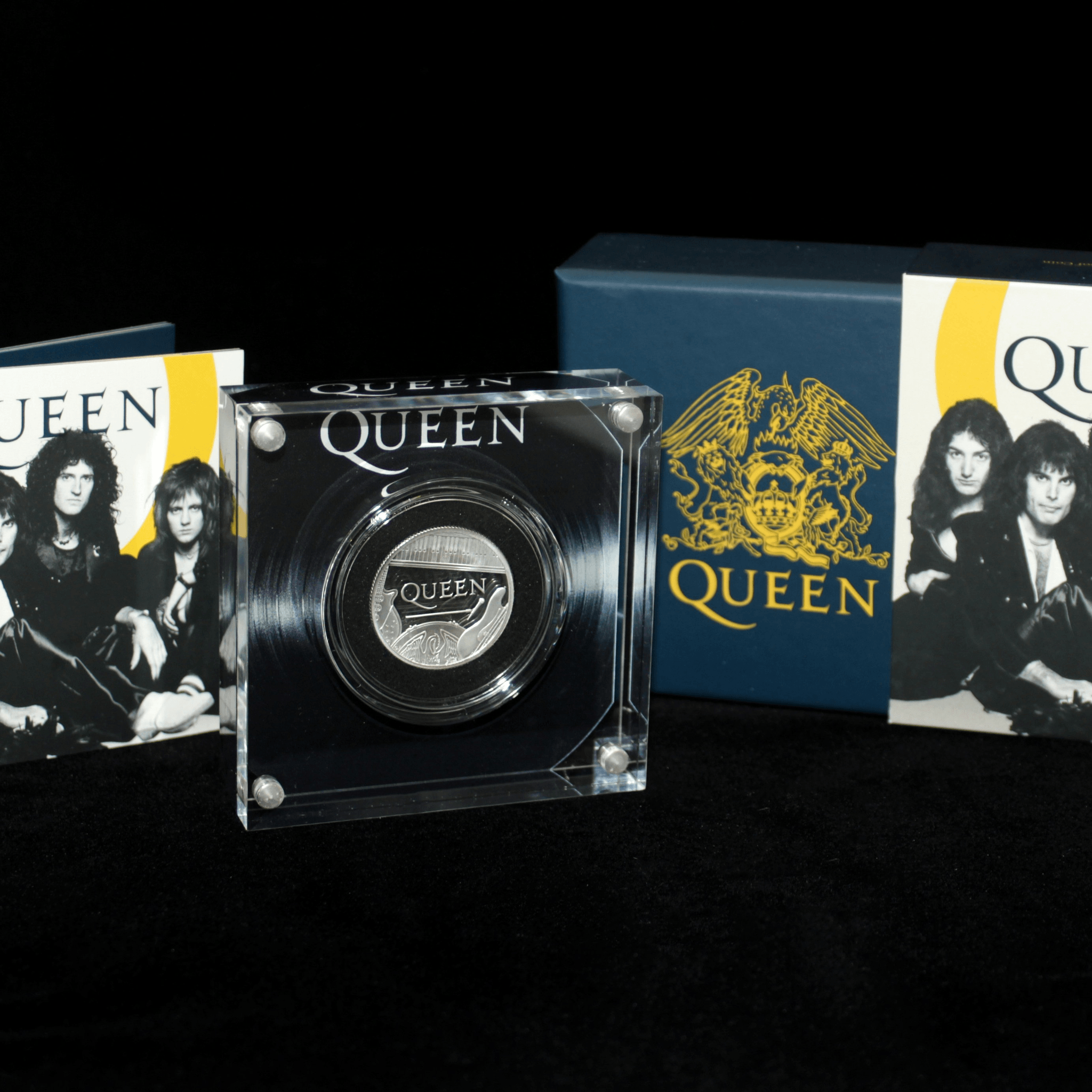
Brand licensing for a collector coin, round, or bar is a brand decision before it is a design request. Set purpose, audience, boundaries, and approval path before a concept image circulates. That sequence avoids unclear use of a recognizable asset.
The custom projects hub places this in a broader project plan. This guide is practical brand-side planning, not legal advice or a decision about permission.
Why a precious-metal release needs a brand decision before it needs a design
A public-facing brand needs a reason for a collector release that is more useful than “make something commemorative.” It may mark a milestone, give a community a lasting object, or extend a tightly defined story. Put that job in one sentence. It becomes the test for later creative choices.
Then define the audience in collector terms. Is the piece for a long-time enthusiast, a member community, a gift recipient, or a new audience? The answer shapes the amount of history, symbolism, and explanation the piece needs, and clarifies what should feel familiar versus newly interpreted.
- Release purpose: the occasion, story, or relationship the piece expresses.
- Collector audience: who should recognize its meaning and why.
- Decision boundary: associations the project should not introduce.
What a licensed collector release needs to define
Define the creative territory before individual elements are approved. Name the central story, intended tone, required wording, and desired degree of brand recognition. Separate fixed elements from flexible ones so a discussion about one motif does not reopen the entire concept.
Also decide what a collector should understand without outside explanation. A deeply informed audience may value a subtle reference, while a broader audience may need a clearer anchor or inscription. These are editorial choices, not production commitments.
- Core story and desired recognition level.
- Required language, names, dates, or symbols.
- Mandatory, preferred, and open elements.
Choose the storytelling surface
Format should serve the story. A round may focus attention on a central subject, while a bar-shaped layout may suit a horizontal scene or sequence of information. A medallion can suggest a keepsake presentation. Use the product overview as neutral vocabulary, then state the creative reason for the preferred form.
Brand IP, rights status, and the approval chain
Make IP status visible early. List each proposed name, logo, illustration, photograph, phrase, design element, and outside reference. For each, record its role, known owner or controller, intended use or reference-only status, and the person who can approve it. A public-facing mark or source image is not a substitute for that record.
The U.S. Patent and Trademark Office explains that a name or logo used to advertise a business may be a trademark and provides federal registration basics (USPTO trademark basics). The U.S. Copyright Office’s Circular 16A says a copyright owner often has exclusive rights to reproduce and adapt a work and that a person intending to use a work they did not create should determine its copyright status and, unless a limitation applies, seek permission or a license (Circular 16A).
Those are general facts, not legal advice or a conclusion about a specific asset, permission, or release. Seek qualified advice where ownership or scope is uncertain. This article does not address legal-tender compliance; for that separate topic, see Can You Legally Make Coins in the USA?.
- Asset name and proposed role.
- Owner or rights contact and known permission record.
- Approved, pending, reference-only, or do-not-use status.
Build an approval path that preserves the brand decision
Name the people responsible for release purpose, IP status, creative direction, exact wording, and final brand presentation before detailed design work begins. A clear chain prevents a late reviewer from finding that a familiar asset had a narrower approved use than the project assumed.
Use practical gates: concept direction, proposed asset set, collector presentation, and final sign-off on the agreed creative record. At each gate, keep one current version, state the decision requested, name the approver, and preserve the outcome.
- A project owner who consolidates feedback.
- A rights or licensing contact for asset-status questions.
- A dated record that distinguishes comments from approval.
Give reviewers a usable decision
Each review should show the release purpose, proposed assets and status, decision requested, and consequence of a yes or no. Label exploratory material clearly. The aim is a bounded, traceable brand decision, not a general artwork-file handoff.
Match format, material, and presentation to the audience
Once the idea is set, decide how the object should be encountered. Format, material direction, inscriptions, visual hierarchy, and presentation can make a piece feel ceremonial, archival, playful, restrained, or commemorative. Choose the combination that makes the approved story clearer to the intended collector, not the one with the longest feature list.
Consider what a recipient sees first, what becomes meaningful on a second look, and which details need accompanying context. The collector guides offer collector-focused context while this article stays with brand-side release strategy.
- Preferred form based on narrative and visual hierarchy.
- Material direction as part of the intended tone.
- Presentation notes that support the release story.
Turn the brand brief into a collector release plan
A practical brand-side brief can be short if its decisions are easy to find. Include the release objective and audience, central story, format direction, approved and pending assets, required wording, approval roles, and open questions. It is a planning record, not an assumption that every item is cleared or final.
Write the brief for a focused first conversation. It should show a commission partner the collector intent and the decisions still needing brand-side confirmation. Keep a version date and update the rights and approval notes as the concept changes.
- One-sentence release objective and collector audience.
- Asset-status list with approval contacts and unresolved items.
- Format direction, named decision-makers, and current version date.
Frequently asked questions
Do we need a registered trademark before considering a collector release?
Review trademark status and authority to use the specific asset for the actual project. The USPTO provides general federal registration basics, but registration status alone does not settle the scope of a planned release. Seek qualified advice for legal questions.
Can we use a public image or design reference?
Do not treat public availability as a clearance record. Circular 16A says an intended user should determine a work’s copyright status regardless of where it was found and, unless a limitation applies, seek permission or a license. Keep it reference-only until status is confirmed.
Who should approve a licensed collector release?
There is no universal roster. Assign responsibility for release purpose, IP or licensing status, visual and verbal brand fit, and final sign-off. One project owner should consolidate feedback and retain the current decision record.
Can planning begin before every detail is final?
Yes. An early plan can state the release purpose, target collector, proposed assets, known constraints, and open decisions. Clearly distinguish approved material from pending and reference-only material.
A project conversation
Bring a brand-side project brief to the first review
When you can describe the collector purpose, identify proposed assets and their status, and name the people who can make decisions, contact Hart Strike Mint to start a focused project review. Bring open questions without presenting them as settled approvals.
Start a project reviewClosing perspective
A collector release earns brand confidence when its purpose, audience, asset status, and approval logic are visible from the start. That gives the creative work a clear role and gives licensing teams a record they can review.
Start with the release story, then let format, presentation, and approved assets support it. A short, current brief will not answer every project-specific question, but it prevents the project from outrunning its decisions.