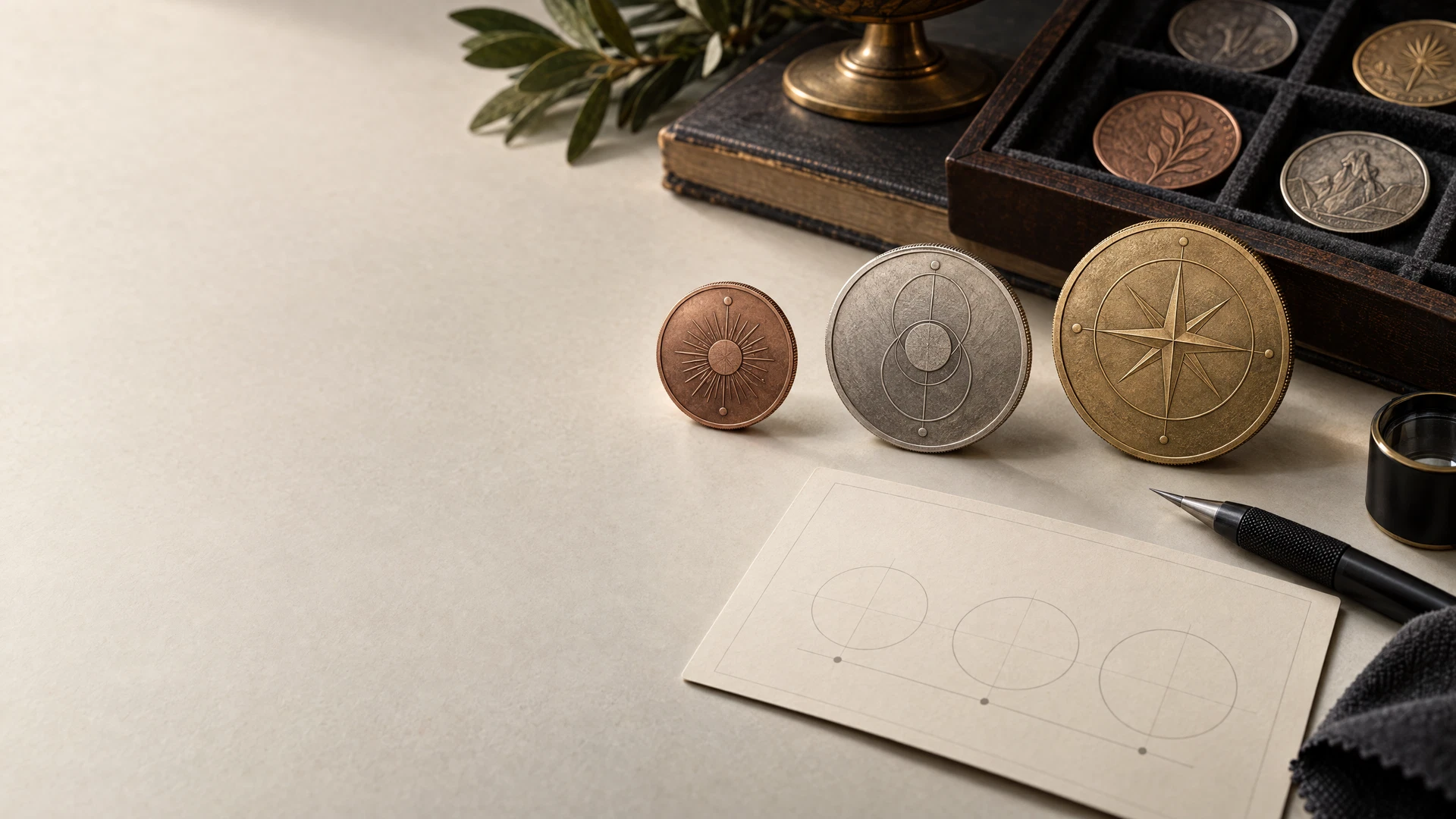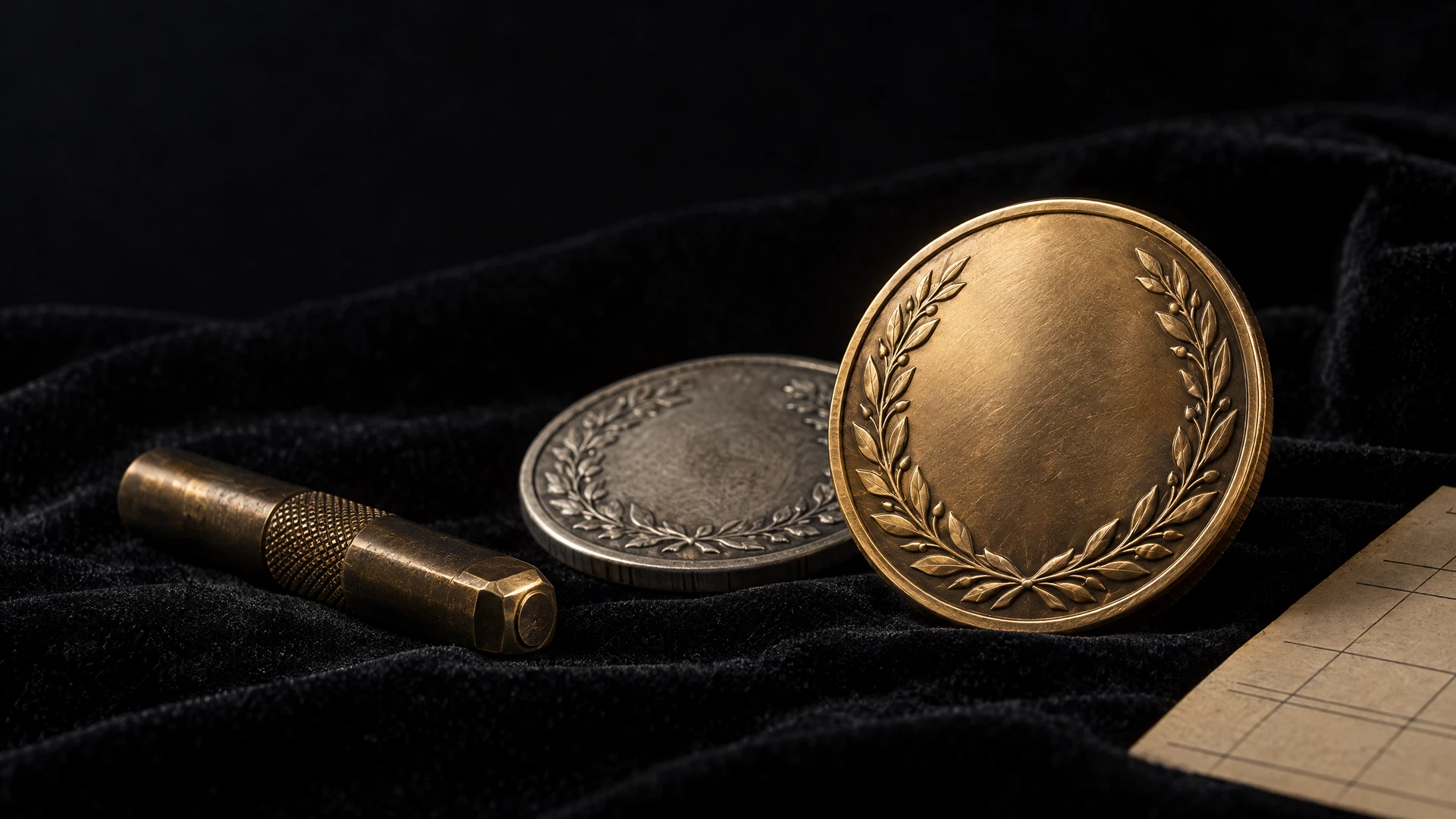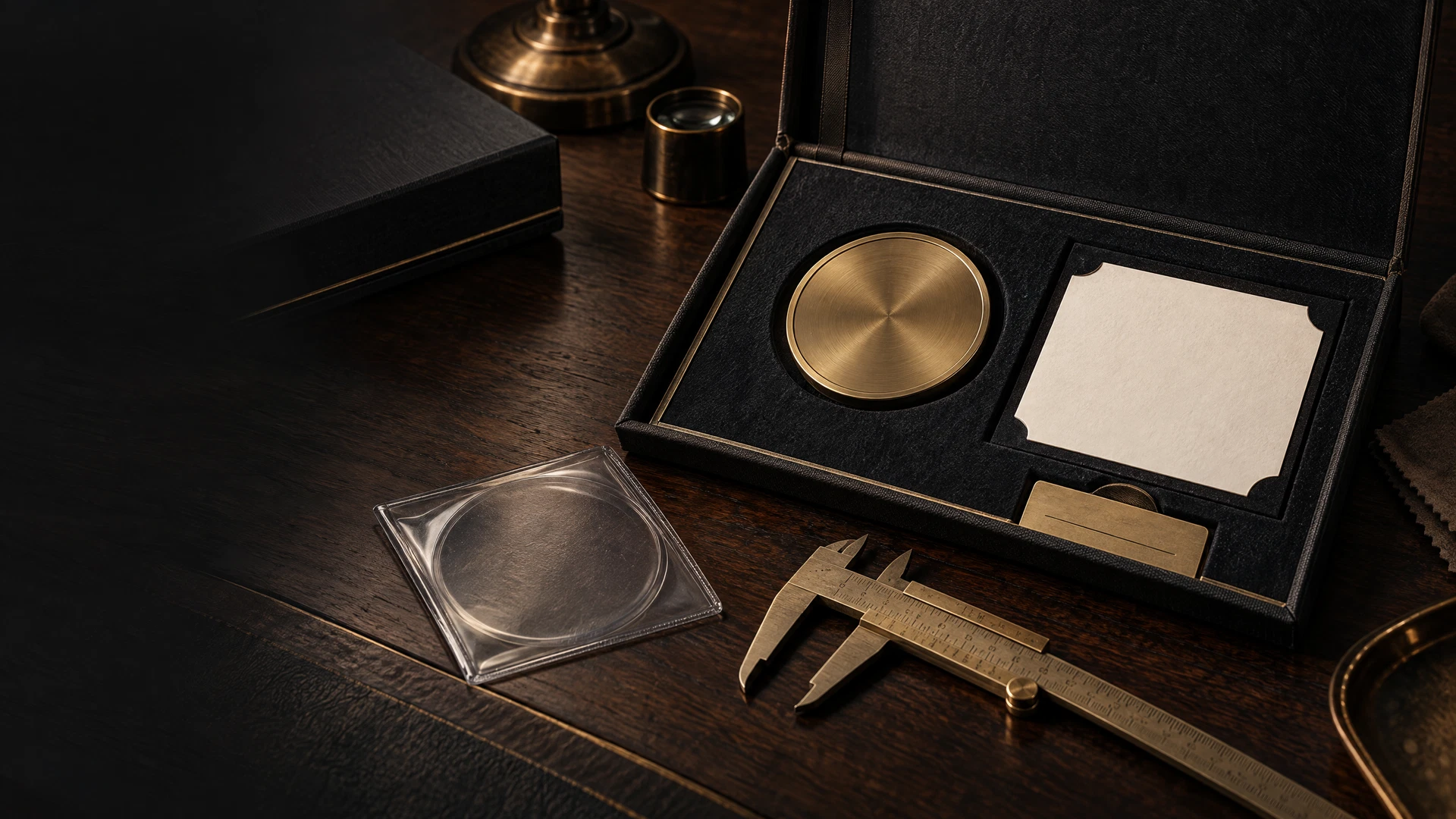
Document a private-mint collector release as a small, dated record of what was announced, what was actually made or distributed, and where each statement came from. The goal is not to make the piece sound rarer or more official. It is to leave future collectors, collaborators, and the project team with a source-backed account they can understand without relying on memory or a disappearing post.
Start the record before public release, then revise it when confirmed facts replace plans. This guide focuses on the release record itself; the broader context for collector-led issues lives in these collector guides.
Begin with one release identity
Give the release a stable name, a series name if relevant, and a release date or date range. Name the commissioning party, the mint or production partner when that attribution is approved, and the people or organizations credited for concept, art, or research. State roles rather than implying that one name performed every part of the work.
Add a record status: proposed, announced, released, revised, or closed. The National Park Service treats accessioning, cataloging, inventory, and photography as related but distinct documentation activities; a private release record can borrow that discipline without pretending to be a museum catalog (National Park Service, *Museum Handbook, Part II*).
- Release title and any series or issue designation
- Record version and last-updated date
- Release status and date checked
- Credited parties and stated roles
Keep a source log beside the public description
For every material statement, save its source: an approved design file, dated announcement, production note, photograph, or written confirmation. Record the source date and what it supports.
When sources conflict, preserve both and mark the issue for resolution. NPS guidance for incomplete museum documentation similarly advises recording what is known, identifying its source, and distinguishing facts from theories or assumptions (National Park Service, *Chapter 2: Accessioning*).
Describe the object as it can be verified
Use the actual piece, approved production information, or clearly labeled project specifications as the basis for the description. Transcribe inscriptions exactly, including punctuation, dates, symbols, and edge text if applicable. Describe each design side so a later reader does not have to recognize the artwork.
Include physical details only when confirmed for this release. Fields may include piece type, stated material, stated fineness, dimensions, weight, edge treatment, and finish description. If a detail is still being finalized, write “not confirmed” or omit it from the public record; do not infer it from a similar issue.
Retain clear images of both sides and any identifying detail. Each filename or caption should carry the release title, view, date, and source. The purpose is comparison and interpretation, not a grading opinion or an assertion of authenticity. For useful descriptive vocabulary, see the private minting guides.
- Exact transcription of visible text and marks
- Plain-language description of each design side
- Confirmed specifications, with an “as of” date if needed
- Captions that identify every image view
Name each quantity for what it measures
Numbers are useful only when their meaning is explicit. A planned edition limit, a quantity completed, a quantity reserved, and a quantity distributed can differ. Put each figure in its own labeled field, add the report date, and leave it blank when no reliable figure is available. If identifiers are used, record the numbering convention and its source rather than assuming it proves a total quantity.
The United States Mint publishes separate categories for production, sales, and mintage, showing why quantity labels should not be treated as interchangeable (United States Mint, *Production and Sales Figures*). A private release record should say what its number represents and whether it is planned, reported, or final. Those labels do not predict demand or future value.
- Authorized or announced limit, if stated
- Quantity completed, if confirmed
- Quantity distributed or otherwise accounted for, if reported
- Numbering convention and exceptions, with a source
Publish a concise record, then preserve the working file
The public version can be short: identity, description, confirmed quantities, release date, credited roles, and a source citation. The working file should retain versioned text, original images, dated announcement screenshots, and the source log.
A release record is not project terms, an authenticity opinion, or a claim about value. It is an organized account of the release. The Smithsonian includes documentation of legal title and provenance among factors in responsible collection management (Smithsonian Institution, *Smithsonian Collections*). For a collector release, use the narrower lesson: make its stated history easy to check.
Use a release-record workflow that survives handoffs
Before announcement, open the master record and gather approved descriptions and credits. At announcement, save the exact public copy and images, noting the date and channel. After release, replace provisional language only with supported information and add a dated change note.
For a commissioned concept, make documentation the last page of the brief. Custom project planning can organize purpose, reference material, and roles before the record is assembled. Keep the finished record about the documented issue, not a generic project pitch.
- Before: gather approved source material
- At release: archive public copy and images
- After: update confirmed facts with dated change notes
- At handoff: provide the public record and source log together
Frequently asked questions
What is the minimum information a release record should include?
Record the release title, status, date, credited parties and roles, description, confirmed specifications, quantity labels with their meanings, image references, and the source for each material claim. Mark unknown or provisional details.
Should a planned limit and a completed quantity appear in the same field?
No. A planned or announced limit describes an intention; a completed quantity describes a later reported outcome. Label each figure, add an “as of” date, and combine them only if a source expressly confirms they are the same.
How should a correction be handled after release?
Correct the record directly, retain the revision date, and add a brief note stating what changed and which source supports it. Do not silently overwrite a statement when the difference could matter to someone comparing versions.
Does a release record establish value or authenticity?
No. It documents what responsible parties stated and what supporting material was retained. It is not a grading opinion, a future-value guarantee, or a substitute for evaluating a particular item.
A project conversation
Bring the record into the project conversation
Once the concept, credits, and release story are organized, a project review can help determine whether a private commission is a fit. Any specifications remain subject to project-specific confirmation.
Start a project reviewClosing perspective
A durable private-mint collector release record favors clarity over drama. It names the issue, separates confirmed facts from plans, gives quantities a definition, and points back to source material.
Build it once, preserve the evidence, and update it in plain view.